The Structure of the Earth
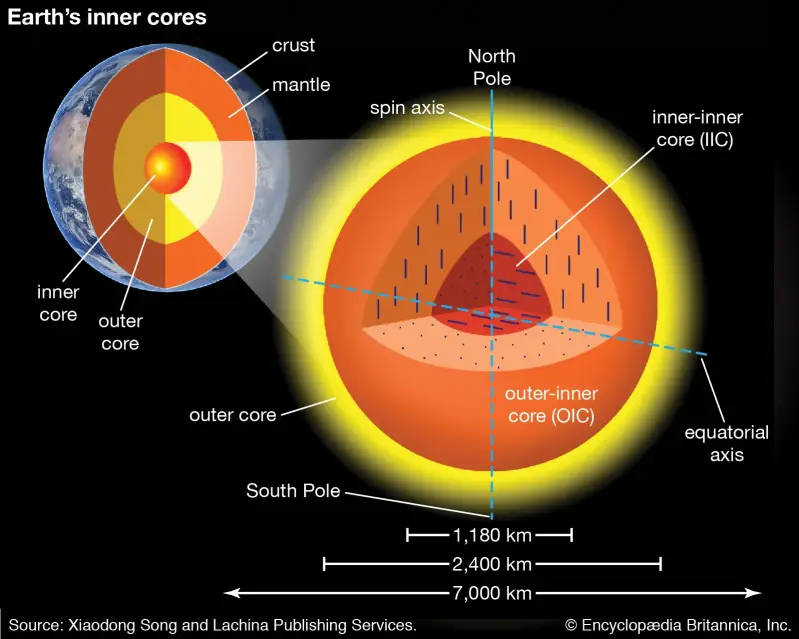
The Earth is made up of several distinct layers, each with different properties and roles. These layers help explain volcanic activity, earthquakes, and the movement of tectonic plates. Understanding Earth’s structure is key to understanding how continents formed and continue to change today.

The Crust
The crust is the Earth’s outermost layer and the one we live on. It is thin compared to the layers beneath it, forming a solid shell around the planet. There are two main types of crust: continental crust, which makes up the land, and oceanic crust, which lies beneath the oceans. The Earth’s crust is broken into large sections called tectonic plates. It was the movement of these plates that caused Pangea to split apart and continues to shape the Earth’s surface today.


The Mantle
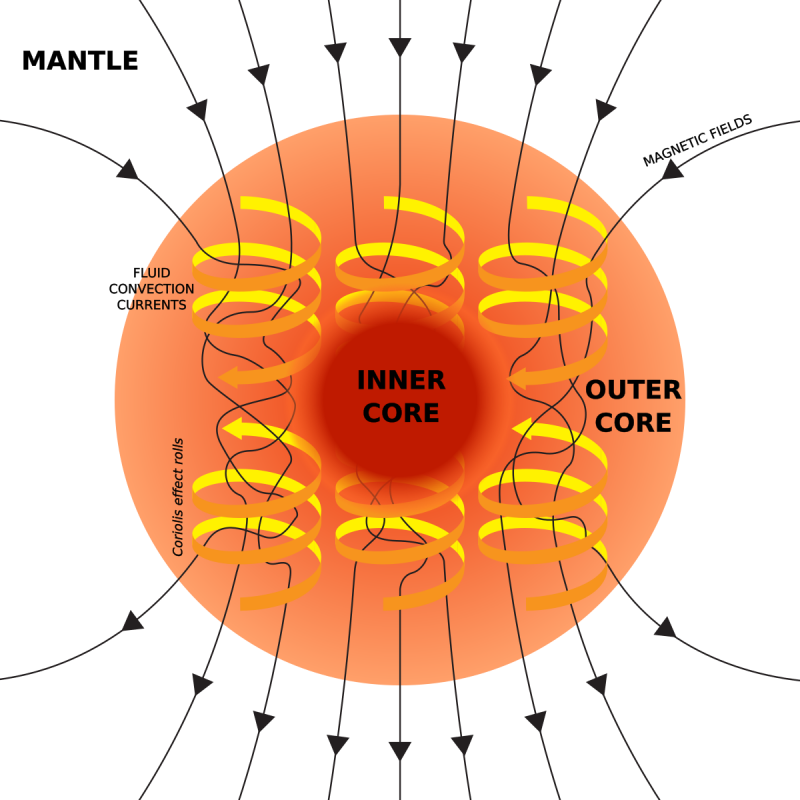
The mantle lies beneath the Earth’s crust and is the thickest layer of the planet. Although it is extremely hot, the mantle is not fully liquid. Instead, it behaves like a slow-moving, solid material. Heat from deep within the Earth causes convection currents to form in the mantle, where hotter material rises and cooler material sinks. These slow movements help drive the motion of tectonic plates above, playing a key role in earthquakes, volcanoes, and the breakup of supercontinents such as Pangea.
The Outer Core
The outer core lies beneath the mantle and surrounds the Earth’s inner core. Unlike the layers above it, the outer core is liquid and made mostly of molten iron and nickel. As this liquid metal moves, it creates electrical currents that generate the Earth’s magnetic field. This magnetic field protects the planet from harmful solar radiation and helps make life on Earth possible.