Glaciation
Glaciation is one of the most powerful forces to shape the Earth’s surface. During colder periods of Earth’s history, vast glaciers formed and slowly moved across the land, carving valleys, transporting material, and leaving behind distinctive landscapes that are still visible today.
What is a Glacier?
A glacier is a large mass of ice formed from compacted snow that moves slowly under its own weight. As it flows, it acts like a giant conveyor belt, eroding rock from the land and transporting it over long distances.
There are two main types of glaciers:
• Valley glaciers, which flow through mountain valleys
• Ice sheets, which cover vast areas of land, such as Antarctica and Greenland
How Glaciers Shape the Land (Erosion)
As glaciers move, they erode the land beneath them through two main processes:
• Plucking – rock is frozen into the base of the glacier and pulled away
• Abrasion – rocks embedded in the ice scrape and grind the surface
These processes create distinctive landforms, including:
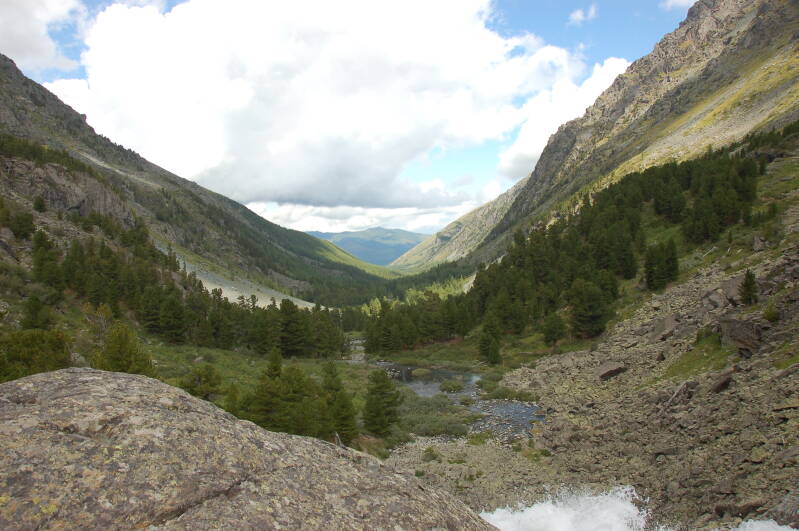
• U-shaped valleys
• Corries (cirques)
• Arêtes and pyramidal peaks
Glacial Deposition
When glaciers melt, they deposit the material they have carried. This material is known as till and can be sorted or unsorted.
Common depositional features include:
• Moraines
• Drumlin fields
• Erratics
• Outwash plains
These features help geographers identify areas once covered by ice.
Glaciation and Soil Formation
Glaciers play an important role in soil development. As ice grinds rock into fine particles, it creates material that later forms soil once glaciers retreat.
Many modern soils in northern Europe and North America are the result of glacial action, providing fertile ground for plants and agriculture.
Glaciation and Landscape Change
Glaciation has shaped:
• Mountain landscapes
• Lake districts
• River valleys
• Coastal plains
As glaciers advanced and retreated, they reshaped entire regions, leaving behind landscapes that humans later settled and farmed.
Evidence of Past Glaciation
Geographers identify former glaciated areas by looking for:
• U-shaped valleys
• Scratched and polished rock surfaces
• Erratics far from their source
• Thick deposits of glacial till
These clues allow scientists to reconstruct Earth’s climatic history.
Why Glaciation Matters
Glaciation matters because it:
• Shapes major landforms
• Influences soil fertility
• Affects river systems
• Records past climate change
Understanding glaciation helps us better understand both past and future environmental change.